Backflow: What It Actually Is, and What a Failed Test Means
Backflow prevention is one of those things nobody thinks about until a test comes back failed. Here's what's actually being tested.
September 8, 2026 · 4 min read
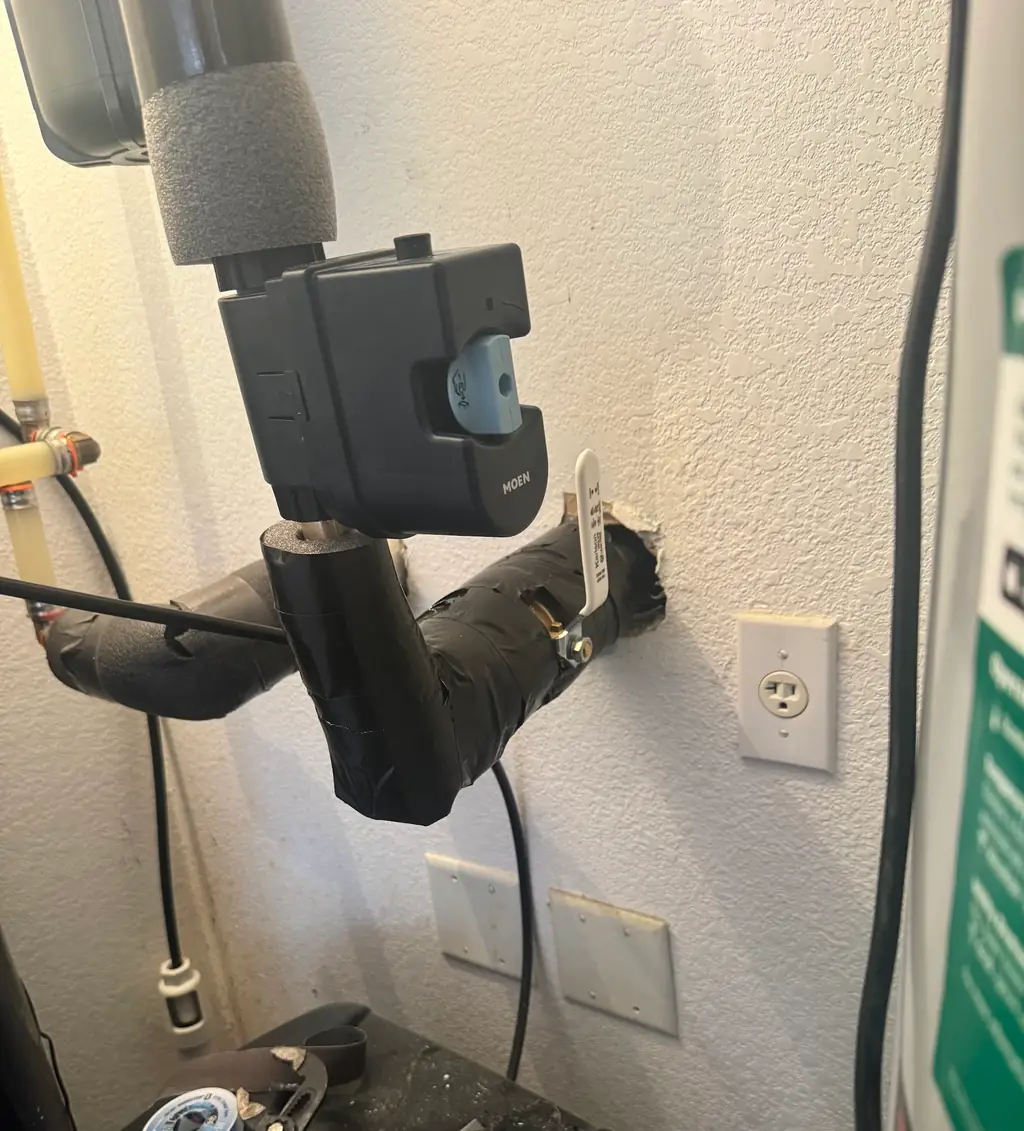
Water is supposed to move one direction only, from the utility's main line into your house or your irrigation system, never back the other way. Backflow is what happens when that direction reverses, usually because pressure inside your own plumbing or irrigation system briefly exceeds pressure in the street main. A big draw somewhere nearby, a water main break, or a fire hydrant in use can all drop pressure in the main just long enough to pull water backward instead of forward. If anything nonpotable is connected to that system when it happens, contamination can travel backward into the drinking water supply.
Why irrigation systems are the usual entry point
Most residential backflow prevention devices sit at the point where an irrigation system connects to the house's water supply, not somewhere buried in the middle of the yard. That's deliberate. An irrigation line is the most common path for something other than clean water to end up connected to the system, whether that's fertilizer or pesticide mixed in a tank sprayer, or a hose left submerged in a bucket of anything. A backflow preventer at that connection point is what stops a pressure drop from turning into an actual contamination event.
The device isn't one single thing
Backflow preventers aren't all the same design, and the type installed usually depends on the contamination risk at that specific connection. A pressure vacuum breaker is common on residential irrigation systems and protects against backflow caused by a drop in supply pressure, using a spring-loaded check and an air inlet valve that opens if pressure falls. A double check valve assembly uses two independent check valves in sequence, so a single worn valve doesn't leave the connection unprotected, and it's typically used where the contamination risk is considered low but still real. A reduced pressure zone assembly goes further still, with a relief valve between the two check valves that dumps water outward the moment either valve starts to fail, which is why it's reserved for connections with a genuinely higher contamination risk. None of these are maintenance-free. Every moving part inside them is exposed to yard chemicals, weather, and mineral buildup from the water itself.
What a test actually checks
A certified technician connects test gauges to the ports built into the device and checks two things under pressure: that the internal check valves hold and don't let water pass backward, and that the relief valve opens at the correct pressure differential if the check valves do start to fail. It's a mechanical test of moving parts that sit closed and unused most of the time, which is exactly the kind of part that fails quietly. Many water providers ask for this test on an annual basis specifically because a device can look fine sitting in the yard while the internal seals have already started to degrade.
What a failed test actually means
A failed test usually means one of two things. Either a check valve isn't seating fully anymore, letting a small amount of backflow through under pressure, or the relief valve is stuck, leaking, or not opening at the pressure it's supposed to. Depending on the device's age and how corroded the internal parts are, the fix is either a rebuild kit swapped into the existing body or a full replacement of the unit. Neither is something to put off once a test has actually failed, since the whole point of the device is to be reliable on the one day it matters.
Central Texas weather doesn't help
A backflow device sitting outside year round in Georgetown or anywhere else in Central Texas goes through real stress most people never think about. Summer heat breaks down rubber seals and gaskets faster than the same part would wear indoors or somewhere shaded. A hard freeze can crack a device that wasn't drained or insulated ahead of time, since the same expanding ice that splits an exposed supply pipe does the same thing inside a backflow assembly sitting exposed in a yard box. Between the two, an outdoor device in this region works through more wear in a given year than the same part would somewhere with a milder climate, which is part of why testing it on a regular schedule catches a problem while it's still a mechanical issue rather than an actual contamination event.
Shelton Plumbing's certified technicians handle backflow testing across Georgetown and Central Texas, checking devices for contamination risk and compliance before they become a problem instead of after. If your device is due for testing, or you're already holding a failed result, call (254) 751-9655. We can't quote a rebuild or replacement over the phone, but we'll look at the actual device and give you a precise estimate on site.
Shelton Plumbing — (254) 751-9655
Call (254) 751-9655More articles
Winterizing Your Central Texas Plumbing Before the Next Hard Freeze
Central Texas homes aren't built the way northern homes are, and that's exactly why a single overnight freeze can do so much damage.
Hard Water in Central Texas: What It's Doing to Your Pipes and Water Heater
The water doesn't look any different coming out of the tap. What it's doing inside your pipes is a different story.